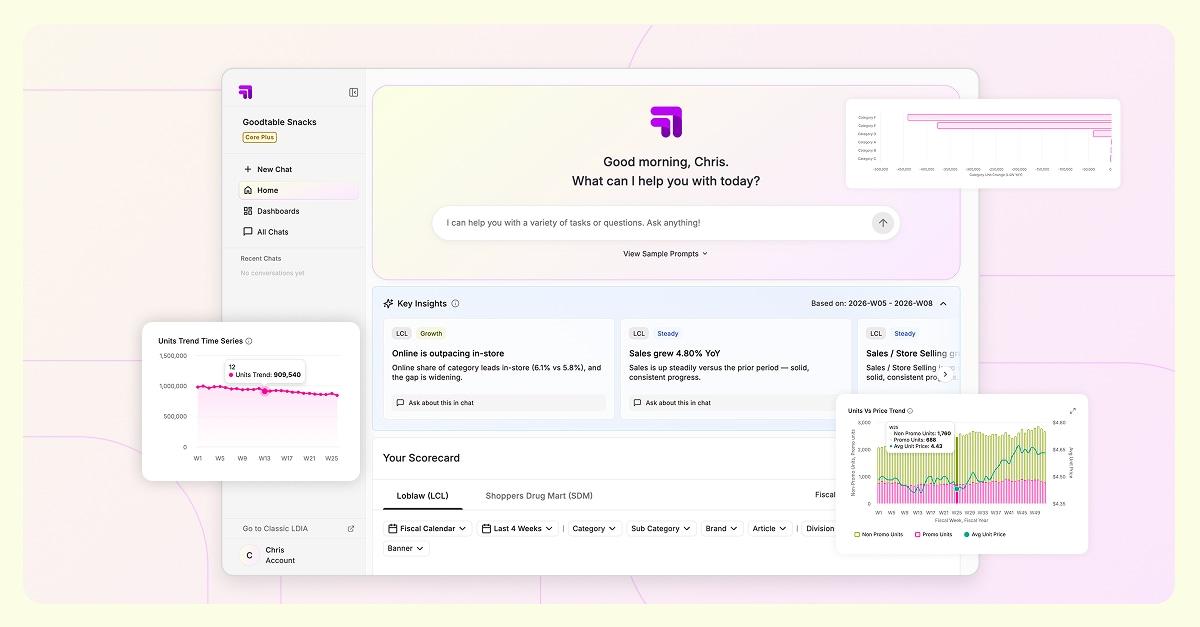
Smarter Questions Start with Better Insights
Brands today have an extraordinary amount of information at their fingertips: sales performance, promotional results, loyalty behaviour, category trends, shopper insights and more. The advantage comes from knowing how to turn those signals into a clearer understanding of the business, and ultimately, what to do next.
Here are four questions worth bringing to your next business review.
1. What changed before the numbers did?
Sales numbers tell you where you landed. Looking at what happened along the way can tell you much more. A promotion went live, distribution expanded, inventory levels changed, then sales started to move. When those moments are viewed together over time, patterns can emerge that are easy to miss in a standalone sales report.
Seeing the sequence helps put performance into context and gives brands a clearer view of what may have influences the result.
It also makes the next conversation more useful: not simply what happened? but what changed, when did it change, and what happened next?
2. Where is your growth coming from?
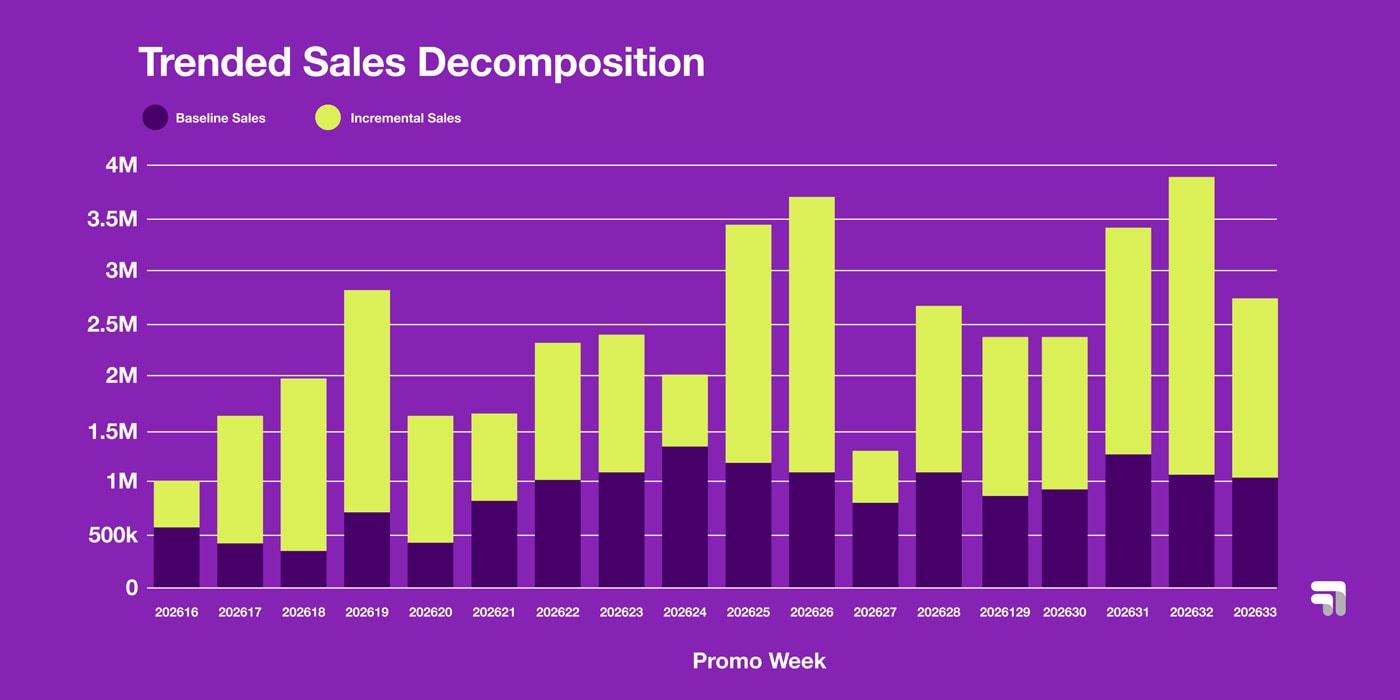
A lift in sales might come from households discovering the brand for the first time, shoppers moving over from a competitor, or existing buyers choosing the brand more often. Each points to a different dynamic in the business and a different path forward.
Seeing where that volume originates can reveal how a brand is gaining momentum, which shopper relationships are changing and where there may be more room to grow.
That understanding gives brands a stronger foundation for deciding where to invest, which audiences to prioritize and how to build on the growth already underway.
3. What else are your shoppers buying?
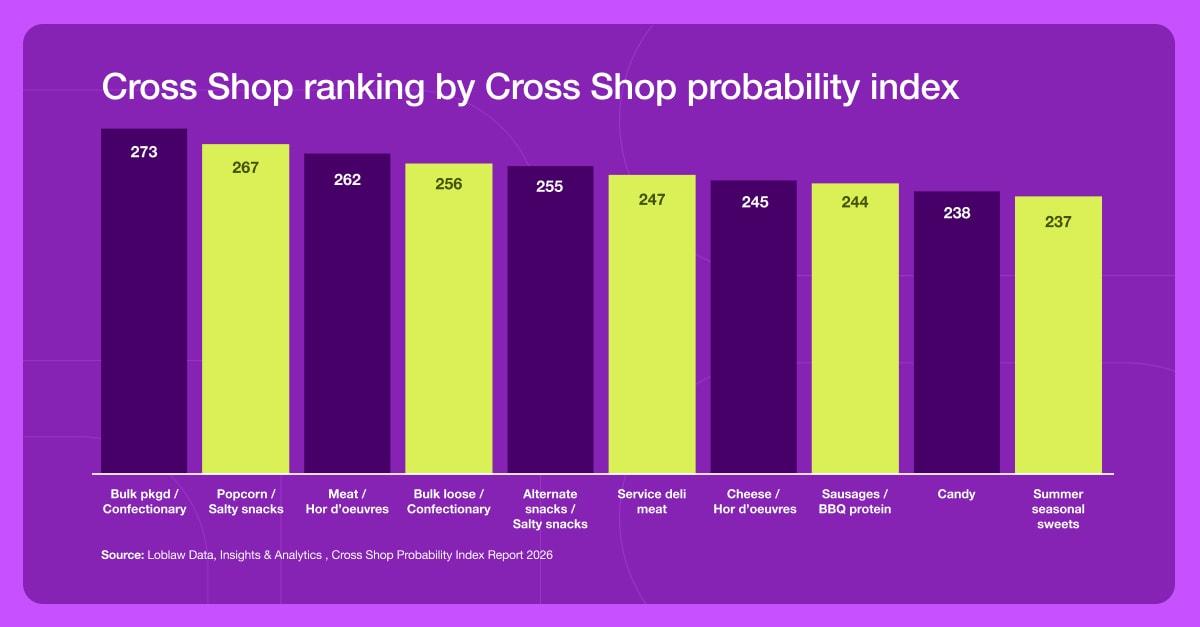
Looking beyond an individual purchase can reveal a much richer picture of how shoppers engage with your brand. The categories and products they buy alongside it can point to shared occasions, household needs, and routines that may not be obvious when each purchase is viewed on its own.
These connections can also surface unexpected affinities, whether that’s a category relationship, a new audience, or a potential partnership that deserves a closer look. Understanding that broader shopping context can open up new ways to think about media, merchandising, assortment and innovation, and ultimately where your brand can play a more relevant role in shopper’s lives.
4. Are you asking questions or building reports?
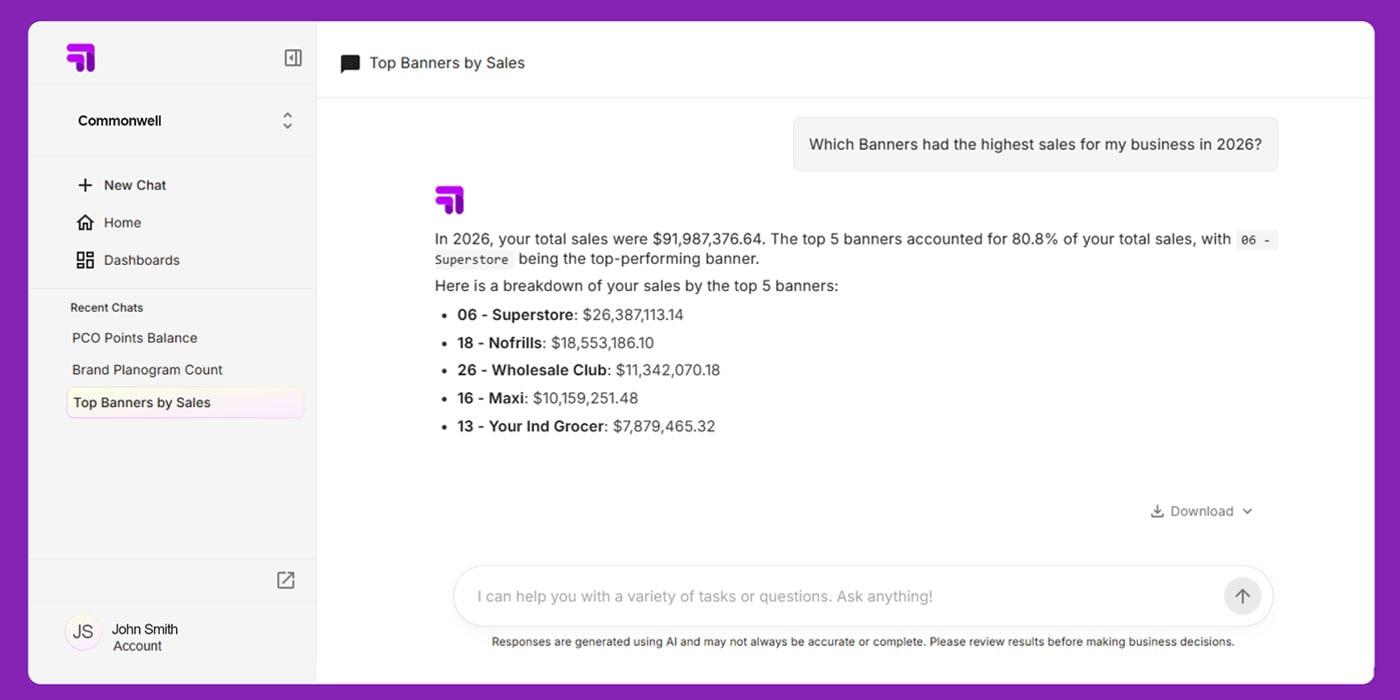
With more data available than ever, it can be tempting to start with a dashboard, the metric or the report in front of you. But the most useful analysis often begins with something much more practical: the decision the business is trying to make.
Should you put more support behind a product launch? Is there room to grow household penetration? Did a recent promotion change shopper behaviour? Has something shifted in the competitive landscape?
Starting with the question helps bring focus to the date. It makes it easier to identify which signals matter, explore the right connections, and turn analysis into something the business can act on. That’s when reporting becomes more than a view of performance. It becomes a way to move the business forward.
Better Questions Lead to Better Decisions
As access to data grows, the opportunity is to make more of the connections within it. Sales, shopper behaviour, promotions, and category dynamics can each tell part of the story. Bringing them together can reveal a clearer picture of what is changing and where to look next.
Loblaw Data Insights & AnalyticsTM (LDIATM) connects shopper, category and business insights to help brands explore the questions that matter, uncover new opportunities and make more informed decisions.
Explore Loblaw Data, Insights & AnalyticsTM and see what asking better questions can reveal about your business.